
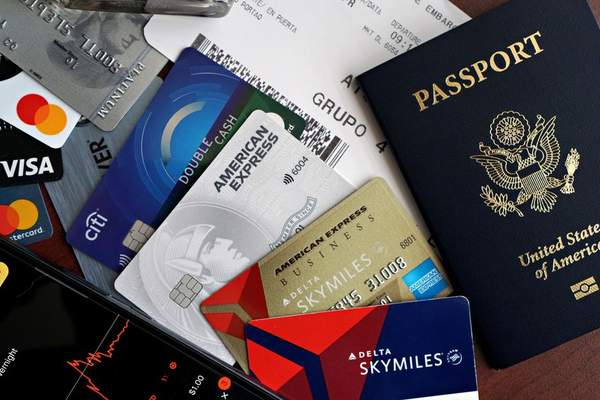
If you travel several times a year, buying a new insurance policy before every departure can become repetitive and expensive. Annual multi-trip travel insurance offers another approach: one policy can cover multiple eligible trips over 12 months. The real question is whether its price, limits and protection suit your travel plans.
For UK travellers, the answer depends on more than the number of holidays booked. Trip length, destination, age, medical history, activities and cancellation costs can all affect the comparison. A cheap annual policy is poor value if it excludes an important journey, while a suitable policy may save both money and administration.
How annual multi-trip travel insurance works
An annual travel policy generally covers multiple eligible trips during the policy year, subject to its terms. Instead of arranging separate insurance for a city break, summer holiday and winter escape, you keep one policy in place.
However, every journey is not covered without restriction. Most policies set a maximum duration for each individual trip. A common limit is around 31 days, although shorter and longer limits are available. Rules can also vary by age, destination and cover level. Check the maximum trip length before buying, especially for a long stay, cruise or extended family visit.
You will normally choose a geographical area such as Europe or worldwide cover. Worldwide options may include or exclude destinations such as the USA, Canada and the Caribbean. The right multi trip insurance UK policy should match every destination you realistically expect to visit.
When does annual cover become better value?
There is no universal number of trips at which annual cover becomes cheaper. Single-trip insurance often suits one holiday, while annual cover becomes more competitive when you take two or more. The reliable method is to compare like-for-like quotes.
Use a simple break-even calculation
Add together the cost of suitable single-trip policies for all journeys you expect to take. Compare that total with an annual quote offering similar destinations, cancellation limits, medical cover, baggage protection, excesses and optional extras.
For example, imagine three suitable single-trip policies would cost £24, £38 and £31. Their combined cost is £93. If comparable annual cover costs £72, the annual option saves £21 before any extra trip is booked. These figures are illustrative, but the method shows why headline price alone is not enough.
The calculation may also favour annual cover when your schedule is uncertain. Someone with one confirmed holiday and several possible weekend breaks may value travelling without arranging a new policy each time. This is where frequent flyer insurance provides practical value beyond the direct saving.
Convenience matters, but limits matter more
Once an annual policy is active, you do not need to repeat the full buying process for every standard trip. That reduces hassle and the risk of forgetting insurance during a busy booking period.
Still, check the terms for every journey. Confirm that the destination, duration and planned activities are covered. Skiing, cruises, adventure sports, business travel and expensive gadgets may require an optional extension or specialist policy.
Cancellation protection also deserves attention. Insurance is normally best arranged when a trip is booked because cancellation problems can arise before departure. With an annual policy, check the selected start date and when cancellation cover begins. Delaying the start until departure could leave an earlier cancellation uninsured, depending on the wording.
When an annual policy may not be suitable
Annual cover can be the wrong choice even when you travel regularly. One long trip exceeding the maximum duration may need separate insurance. Standard annual cover may also be unsuitable for backpacking, working abroad or living overseas for several months.
Pre-existing medical conditions can change the calculation. Declare them accurately when requested and report relevant changes during the policy period. Some travellers may find that a specialist single-trip policy provides more appropriate cover. When standard providers cannot offer suitable protection, specialist medical travel insurance directories may help.
Age limits and premiums should also be reviewed. A policy that offered good value last year may become less competitive after a birthday, diagnosis or medication change. Avoid renewing automatically without checking both price and cover.
What should family annual travel cover include?
Family annual travel cover can be convenient when adults and children take several holidays, but insurers define “family” differently. Check whether children are covered when travelling with one insured adult, independently, with grandparents or on a school trip.
Compare limits per person and per claim, not just the total premium. Cancellation cover should be sufficient for the most expensive booking, while baggage and gadget limits should reflect what each traveller carries. Review excesses too, as a separate excess may apply to each person claiming.
Cover details worth comparing
Start with emergency medical treatment and repatriation, then examine cancellation, curtailment, travel disruption, missed departure, baggage, personal money and personal liability. Read exclusions as carefully as benefits. Undeclared medical conditions, unattended belongings and travel against official advice can affect a claim.
Check Foreign, Commonwealth & Development Office advice for every destination. Travelling against FCDO advice can invalidate insurance unless the policy specifically provides cover. A valid UK GHIC or UK EHIC can help with necessary state healthcare in eligible countries, but it does not replace travel insurance or cover costs such as private treatment, cancellation or medical repatriation.
Is annual multi-trip travel insurance worth it?
It is often worth considering when you expect several eligible trips within 12 months and a comparable annual quote costs less than buying policies separately. It can also suit spontaneous travellers who want cover ready for short-notice breaks.
It is less attractive when you are taking one trip, need unusually long cover or require specialist protection not included throughout the year. Compare the total cost and actual policy wording rather than deciding by trip count alone.
Frequently asked questions
Does annual travel insurance cover unlimited holidays?
It usually covers multiple trips during the policy year, but each journey must meet the policy rules. Limits may apply to duration, destination, age and activities.
Can I buy annual cover after booking a holiday?
Yes, but check when the policy and cancellation protection begin. Arranging suitable cover soon after booking generally protects you for longer before departure.
Can family members travel separately?
Sometimes. Some policies allow adults or children to travel independently under certain conditions, while others require insured children to travel with a named adult.
Do I need travel insurance if I have a GHIC?
Yes. A GHIC can help with necessary state healthcare in eligible countries, but it does not cover medical repatriation, cancellation, lost baggage or every treatment cost.
Conclusion
Annual multi-trip travel insurance can reduce cost and hassle for frequent travellers, but only when it fits every planned journey. Compare it with the combined price of suitable single-trip cover, then check trip-length limits, destinations, medical declarations, activities, cancellation protection and excesses. The best annual policy is not simply the cheapest; it is the one that remains useful each time you travel.