
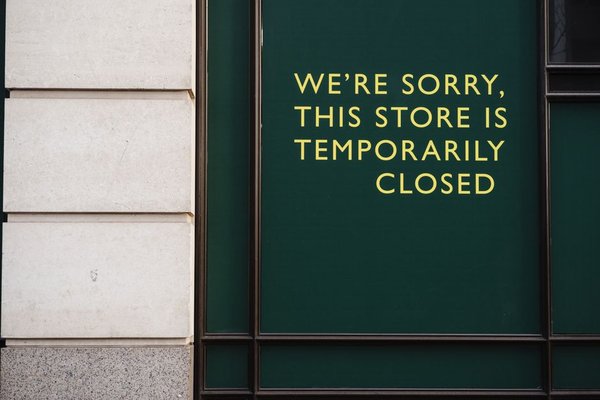
A fire can close a shop in minutes, but the financial damage often continues long after the flames are out. The same is true of a flood, equipment failure or serious technology incident: sales stop, while rent, wages and other commitments may keep running. Business interruption insurance is designed to protect that gap between physical recovery and financial recovery.
The issue feels especially relevant in 2026. Allianz’s Risk Barometer places business interruption among the top three risks for UK businesses, while cyber incidents rank first. But not every IT outage triggers a standard policy: cover depends on the insured event and wording, and cyber interruption may require a specific extension or separate cyber insurance.
What business interruption insurance actually covers
Business interruption insurance, often shortened to BI insurance, protects against financial loss when a business cannot trade normally after a covered event. Property insurance may repair damaged premises or equipment; BI cover focuses on affected income and eligible extra costs while operations are disrupted.
The Association of British Insurers says typical policies may cover interruption following damage to premises or equipment caused by fire, storm or flooding, plus breakdown of essential equipment. Some policies can also extend to prevented access or damage at a key supplier or customer’s premises.
Depending on the wording, a valid claim may include a shortfall in profit or income and eligible increased costs of working. Businesses reviewing business insurance essentials should therefore look beyond the property damage limit and ask how long cash flow could survive if trading stopped.
The trigger matters more than the shutdown
A closure or fall in sales is not automatically enough for a claim. The interruption must arise from a peril or circumstance covered by the policy. Two businesses can suffer the same revenue loss after an outage yet receive different outcomes because their policy triggers differ.
Imagine a bakery suffers an electrical fire that damages its ovens and forces it to close for twelve weeks. Its property policy may pay for damaged equipment, while business interruption cover may respond to the resulting loss of trading income and eligible extra costs, subject to the policy terms and limits.
Now imagine the bakery cannot take orders because its cloud-based till platform is disabled by a cyberattack, but there is no physical damage. A conventional property-linked BI policy may not respond unless it contains appropriate cyber or non-damage wording. Specialist cyber insurance may be needed. That distinction matters as more businesses depend on software, payment systems and third-party technology providers.
How a business interruption claim is calculated
BI insurance UK policies do not all calculate loss in exactly the same way. The Financial Conduct Authority notes that policy wording determines the type and amount of loss that can be claimed. Policies may refer to loss of income, gross profit or increased cost of working, and those terms can have specific insurance definitions.
Many policies compare expected trading performance with actual performance during the interruption. Previous trading figures may be used as a starting point, with adjustments for trends or circumstances that would have affected the business anyway. Accurate accounts, management reports, sales records and forecasts can therefore become central to a claim.
Key points to review include:
- the insured peril or trigger;
- the definition of gross profit, revenue or income;
- the maximum indemnity period;
- the sum insured and any sub-limits;
- eligible increased costs of working;
- supplier, customer, access, utility or cyber extensions.
The indemnity period can make or break the protection
The indemnity period is the maximum period for which a policy will pay a covered interruption loss. Choosing it requires more thought than estimating how quickly a building can be repaired. Planning permission, specialist machinery lead times, staff recruitment, customer loss and supply-chain delays can all extend recovery.
If a company chooses a 12-month indemnity period but needs 18 months to rebuild sales, it could face a six-month gap without BI payments. Trading loss cover should therefore reflect a realistic recovery scenario.
A practical test is to assume your main site becomes unusable tomorrow. Estimate how long it would take to secure temporary premises, replace critical equipment, restore systems, rebuild stock and recover customers. Use that timeline when discussing cover with a broker or insurer.
Cyber and outage risk needs a separate conversation
Digital dependency has blurred the old boundary between property damage and operational disruption. A retailer can lose a day’s sales because of ransomware, a payment outage or failure at a technology supplier without any physical damage.
For that reason, business continuity insurance planning should consider both physical and non-physical interruption. The ABI notes that specialist policies are available for cyber risks, while standard BI cover may not automatically include viruses, hackers or other cyber events. Check whether cyber interruption, system failure and dependent service providers are covered, excluded or subject to separate limits.
This is where cyber insurance for small businesses and business continuity planning connect naturally with BI cover. Insurance can fund an insured loss, but it does not replace backups, alternative suppliers or a tested recovery plan.
How to choose suitable business interruption cover
Start with the events that would actually stop your business from earning. A manufacturer may depend on one production line, while an online company may depend on cloud infrastructure and payment processing. The policy should reflect those dependencies.
When reviewing a loss of income insurance business policy, ask the insurer or broker to explain the trigger, basis of settlement and exclusions clearly. Check how the sum insured was calculated and whether key supplier or customer dependencies need to be named. Revisit cover after major changes such as higher turnover, new premises or greater reliance on cloud systems.
Frequently asked questions
Is business interruption insurance compulsory in the UK?
No. Business interruption insurance is generally not a legal requirement in the UK. It is optional cover, although lenders, landlords, contracts or sector-specific arrangements may influence the insurance a business chooses to maintain.
Does business interruption insurance cover floods and fires?
It commonly covers interruption caused by insured property damage such as fire, storm or flooding, but only where the underlying peril and resulting loss fall within the policy wording. Check exclusions, limits and the required connection between damage and interruption.
Does business interruption insurance cover cyberattacks?
Not automatically. Standard BI insurance is often linked to physical damage. Cyber-related downtime may need a specific cyber extension or separate cyber policy, so confirm what happens if ransomware, a network outage or a technology provider failure stops trading.
How long does business interruption insurance pay for?
Payments are limited by the policy’s maximum indemnity period and terms. The period should reflect the time needed to repair damage and restore normal operations and trading performance.
Protect the recovery, not just the property
Business interruption insurance is most valuable when it is built around the way a company actually makes money. Buildings and equipment can often be replaced; lost trading time is harder to recover. By matching the policy trigger, financial limits and indemnity period to realistic physical, supply-chain and digital risks, a business can give itself a stronger chance of surviving the months after a serious disruption rather than simply repairing the damage.