
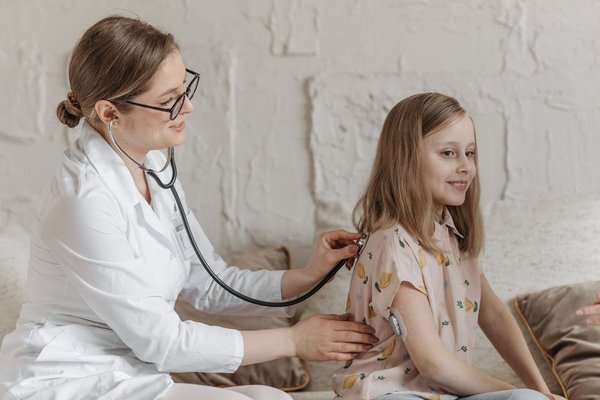
When a child needs a specialist appointment, scan or treatment, many parents are not looking for luxury healthcare; they want clear answers without unnecessary delay. Health insurance for children in the UK can provide access to private diagnosis and treatment for eligible conditions, but it does not replace the NHS or automatically cover every paediatric problem. The most useful comparison is not simply the monthly premium. Look at which new conditions are covered, how outpatient care works, which paediatric specialists and hospitals are available, and what exclusions apply.
How private health insurance for children works
Children can be insured in different ways. Some insurers offer child-only policies, while others require a child to be added to an adult or family plan. This matters if you specifically want standalone child health cover, because not every provider sells it.
Private medical insurance generally focuses on eligible new, acute conditions that arise after cover begins. Depending on the policy, benefits can include specialist consultations, diagnostic tests, scans, day-patient treatment, surgery and hospital care. More comprehensive paediatric health plans may also include mental health support, physiotherapy or selected therapies, although age limits, referral rules and benefit caps can vary.
Your child can still use the NHS. Many families use both systems: an NHS GP may make an initial assessment, followed by private specialist care for an eligible claim, while emergencies, long-term care and services outside the policy remain with the NHS.
What paediatric conditions are usually covered?
There is no universal list for every insurer. The main distinction is often between a new, treatable condition and something that existed before the policy started or needs ongoing management. A new sports injury, unexplained symptom requiring investigation or eligible operation may be covered if it meets the policy terms.
Pre-existing conditions are usually excluded from individual private medical insurance. An insurer may also exclude related symptoms that appeared before the start date, even if a diagnosis came later. Chronic conditions such as diabetes or epilepsy are commonly outside standard cover because they need long-term monitoring rather than short-term treatment. Some policies may pay for investigations until a chronic diagnosis is established, but parents should check the wording.
Mental health and therapy benefits
Parents comparing kids private medical insurance should examine mental health and therapy benefits carefully. Some plans offer mental health cover only as an option or from a stated minimum age. Therapy benefits can have session limits. Developmental, congenital, genetic and behavioural conditions may also be treated differently from acute illnesses, so ask direct questions about these areas before buying.
Can private cover reduce waiting times?
Speed is a common reason families consider private cover. An eligible claim may provide quicker access to a private consultant, diagnostic test or planned treatment than a family would otherwise experience locally. However, insurance does not guarantee an immediate appointment. Availability still depends on the specialist, hospital network, location and type of care needed.
Consider a child who develops recurring knee pain after a new sports injury. An NHS GP may assess the problem and recommend further investigation. If the condition is eligible and outpatient diagnostics are included, the policy may fund a private paediatric or orthopaedic consultation and imaging. If the knee was already being investigated before the policy began, the insurer may instead classify it as pre-existing.
How much does child health insurance cost in the UK?
There is no reliable single price for a child because premiums vary with factors such as age, postcode, level of cover, hospital list, outpatient limits and excess. A child-only quote can also be priced differently from adding a child to family cover. Some insurers offer pricing arrangements for multiple children, while others structure dependant costs differently.
Choosing a higher excess may lower the premium, but it means paying more towards an eligible claim. When comparing quotes, check what has been removed or restricted rather than assuming the cheapest and most expensive policies are directly comparable.
What should parents compare before choosing a policy?
Ask each insurer the same questions. Can the child be covered alone, or only through an adult plan? Are outpatient specialist consultations, scans and diagnostic tests included? Is paediatric mental health covered, and from what age? Which nearby hospitals treat children under the plan? Is parent accommodation included if a child is admitted? What happens if a condition becomes chronic after diagnosis? Are therapies such as physiotherapy or speech therapy capped?
Also check how medical history is assessed. With full medical underwriting, the insurer reviews disclosed health information and confirms exclusions. Other policies may use different underwriting arrangements. Whatever the method, provide accurate information so you understand what will and will not be covered before a claim.
Useful related reading on this topic includes family health insurance in the UK, private health insurance costs, and common health insurance exclusions. These can help put child-specific cover in the wider family budget.
Does every child need private health insurance?
No. Private cover is optional because children can receive healthcare through the NHS. The decision is usually about additional choice and access to eligible private specialist care, not gaining basic healthcare. It may appeal to parents who value faster planned access or a wider choice of specialists, but it can be less useful when the main concern is an existing chronic or developmental condition that would be excluded.
Start by identifying the problem you want insurance to solve. If your priority is diagnosis for future acute conditions, outpatient cover may matter more than extras. If mental health is important, check age limits and treatment caps. If an NHS paediatric team already manages a long-term condition, private medical insurance may add less than expected.
Frequently asked questions
Can I buy health insurance just for my child?
Yes, child-only cover is available from some UK insurers, but not all providers offer it. Some insurers cover children only as dependants on an adult or family policy, so check eligibility before comparing benefits.
Does children’s private health insurance cover pre-existing conditions?
Usually not on standard individual policies. Conditions, symptoms or injuries present before cover began are commonly excluded. Definitions and underwriting rules vary, so read the insurer’s decision carefully.
Can my child still use the NHS with private insurance?
Yes. Private medical insurance complements the NHS. A child can continue using NHS services even when they also have private cover.
Does child health insurance cover emergencies?
Private medical insurance is generally designed for planned diagnosis and treatment rather than replacing NHS emergency services. For urgent or life-threatening problems, use the appropriate NHS emergency pathway and follow the policy’s rules for any later private care.
Choosing cover with fewer surprises
The most suitable child health cover is one whose limits are clear before you need it. Focus on new-condition cover, outpatient diagnostics, paediatric specialist access, mental health options, local hospital availability, excesses and exclusions. A cheaper policy can work well if its restrictions match your priorities, while a more expensive plan is useful only if the extra benefits matter to your family. Comparing the wording, not just the premium, gives you a much clearer idea of what support will actually be available when a health concern arises.