
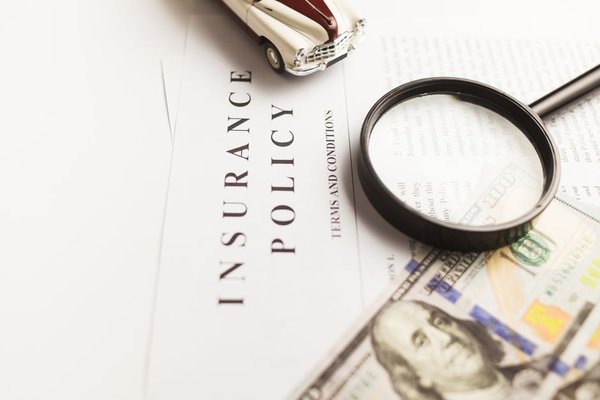
The minimum legal car insurance UK drivers need is third-party cover. That means you must be insured for the damage or injury you may cause to other people when you use a vehicle on a road or in another public place. It is the legal floor, not a recommendation about the level of protection that is best for your own car.
The key compliance question is simple: does the policy cover you, driving that particular vehicle, for the way you are using it? A car can appear insured while a particular driver is not covered, and a comprehensive policy on one vehicle does not automatically give unrestricted cover to drive another.
What the law actually requires
In Great Britain, the main Road Traffic Act insurance requirement comes from the Road Traffic Act 1988. It prohibits using, or causing or permitting another person to use, a motor vehicle on a road or other public place unless the required third-party insurance or security is in force. Northern Ireland has separate road traffic legislation, but third-party insurance is also the minimum legal requirement there.
The purpose is to protect third parties. If you cause a collision, compliant third-party cover is designed to meet legal liabilities for injury to other people and damage to their property. It does not normally pay to repair your own car after an accident that is your fault, and it does not make every licensed driver automatically insured to use the vehicle.
Third party is the minimum, not necessarily the cheapest
Private-car cover is commonly sold as third party only, third party fire and theft, or comprehensive. Third party only can satisfy the legal car insurance requirement when the policy covers the driver and use involved. Third party fire and theft adds specified fire and theft protection, while comprehensive insurance generally adds cover for accidental damage to the insured vehicle, subject to the policy terms.
Do not assume the least extensive cover will always have the lowest premium. Insurers price risk using many factors, so the legal minimum and the cheapest option are not necessarily the same.
The policy must cover the driver and the journey
Focusing only on the car can lead to mistakes. The driver, vehicle and permitted use all matter.
Named drivers and permission
If you borrow a partner’s or relative’s car, check that you are a named driver or that another valid policy specifically covers your use of that vehicle. Permission from the owner is not a substitute for insurance.
Driving other cars cover
Some comprehensive policies include a “driving other cars” extension, but it is not automatic and often has restrictions. It may provide only third-party cover or apply only in specific circumstances. Read the certificate and policy schedule instead of relying on assumptions.
Business use
Social, domestic and pleasure cover may not be enough if you use the car for work-related journeys beyond ordinary commuting. If your job involves visiting clients or travelling between sites, check the permitted-use section before driving.
A practical example: the borrowed-car mistake
Imagine Sam has comprehensive insurance on his own hatchback and borrows his sister’s car for an evening. He assumes “comprehensive” means he can drive any car. His sister has insured her vehicle, so everything appears fine. But Sam’s policy does not include driving-other-cars cover, and he is not named on his sister’s policy.
If Sam drives, he may be uninsured even though both households have active motor policies. A safer routine takes a minute: check the certificate or policy app, confirm the registration number and driver, and verify the permitted use. Useful related topics include car insurance exclusions and what they mean, UK car insurance requirements, and how named drivers and main drivers work.
Keeping an uninsured vehicle can also cause problems
In Great Britain, continuous insurance enforcement means the registered keeper generally needs to keep a vehicle insured unless it has been declared off the road with a valid SORN and is kept off the public road. DVLA records are compared with the Motor Insurance Database to identify vehicles that appear uninsured.
If a vehicle in Great Britain is uninsured and has not been declared off road, the registered keeper can face a £100 fixed penalty, possible clamping, impounding or destruction of the vehicle, and court proceedings with a fine of up to £1,000. Northern Ireland currently has different continuous-insurance arrangements, so owners there should follow the applicable Northern Ireland rules.
A SORN does not give permission to drive an uninsured vehicle on the road. It is an off-road declaration, not temporary road cover.
Driving without insurance penalties are more serious
The driving without insurance penalty is separate from keeper penalties. A driver caught using a vehicle without valid insurance can be offered a £300 fixed penalty and receive six penalty points. If the case goes to court, the fine can be unlimited, the court can disqualify the driver, and the offence can result in six to eight penalty points. Police can also seize a vehicle being driven without proper insurance.
For a new driver, six points can be especially serious because a licence can be revoked if the driver reaches six or more points within two years of passing the first driving test.
How to check you meet the minimum requirement
Before driving, confirm that the policy is active, the vehicle details are correct, the person driving is covered, and the journey falls within the permitted use. Do not rely solely on seeing the vehicle on an insurance database; database records do not show every policy condition affecting a particular driver.
Tell your insurer about changes that could affect cover, such as a different main driver, vehicle modifications or a change in use. If a restriction is unclear, ask the insurer before you drive.
FAQ
What is the minimum legal car insurance in the UK?
Third-party insurance is the legal minimum. It must cover your use of the vehicle and provide the required protection against liabilities for injury to other people and damage to their property.
Is third-party insurance enough to drive legally?
It can be, provided the policy is valid for you, the vehicle and the type of journey you are making. A third-party policy does not usually cover damage to your own vehicle.
Can I drive someone else’s car if they have insurance?
Not automatically. Their policy must cover you as a driver, or your own policy must contain a valid extension covering your use of that vehicle. Always check the policy wording first.
Do I need insurance if my car is not being used?
In Great Britain, a vehicle generally needs to remain insured unless it is kept off the public road and has a valid SORN. Different administrative rules apply in Northern Ireland.
Meeting the legal minimum without making assumptions
The law does not require every driver to buy comprehensive insurance, but it does require valid third-party protection for road use. The safest approach is to treat insurance as a question of driver, vehicle and use rather than simply asking whether “the car is insured.” Checking those points before a journey can prevent an expensive mistake and help ensure you meet the minimum legal requirement every time you drive.