
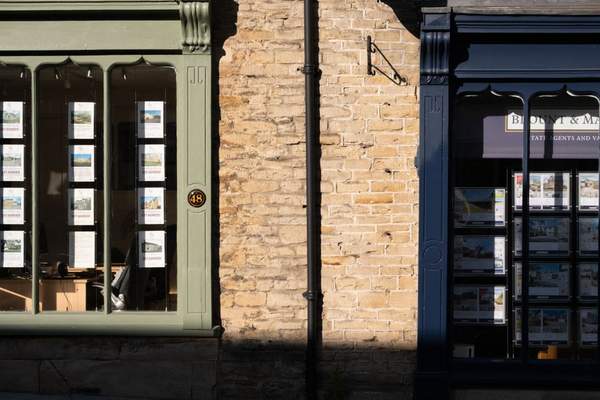
A cracked pane in a Georgian sash window is not always a straightforward glazing job. Nor is repairing a Victorian slate roof necessarily comparable to replacing a modern tiled one. Older homes can contain details that require particular materials, trades and approvals to put right. That is the central difference with listed building insurance in the UK: the policy needs to reflect how the property would actually be repaired after an insured loss.
Period property insurance is not simply standard buildings cover with a higher premium. Some mainstream insurers accommodate older homes, but unusual construction, protected features and complex reinstatement may call for specialist terms.
Age matters less than the building’s construction
Two houses built in 1850 can present very different insurance challenges. One may have modern replacement windows and a conventional roof. Another may retain lime-plastered walls, handmade bricks, original joinery and a timber frame. The second could be more expensive and slower to reinstate, even if both have similar market values.
Heritage home insurance should start with an accurate description of the building: wall construction, roof covering, age, alterations and distinctive features. A vague description such as ‘brick house’ can miss the detail that affects repair costs.
Listed does not mean merely old
A listed building has legal protection because of its architectural or historic interest. An unlisted period home can still need specialist insurance, but listing raises another question: what work can lawfully proceed without consent? Rules differ across the UK’s nations, so check with the relevant local authority or heritage body.
The rebuild figure is not the purchase price
One common misunderstanding is using a property’s sale value as its buildings sum insured. A listed building rebuild cost concerns reinstatement after serious damage, rather than what someone would pay to buy the home and its land.
For a traditional building, that assessment may need to include specialist labour, reclaimed or bespoke materials, professional fees, debris removal and delays related to heritage decisions. Whether particular costs sit inside or outside the policy limit depends on its wording.
A generic online rebuild calculator may not capture unusual historic construction. For a complex home, ask a surveyor experienced in traditional buildings for a reinstatement assessment accepted by your insurer. Review it after substantial alterations and at suitable intervals. Annual index-linking cannot necessarily correct an inaccurate starting figure.
Why getting the figure wrong matters
Underinsurance can leave a shortfall after a major claim. Some policies contain an average clause, which may reduce a payout if the declared value is insufficient. Check whether it applies and what safeguards the insurer offers following a professional valuation.
Like-for-like repair can be a specialist project
In older properties, the aim is not necessarily to make everything look new. Traditional buildings often depend on compatible materials and methods. Substituting hard cement mortar for appropriate lime mortar, for example, can cause problems in certain historic walls. Repairs should follow the building’s construction and professional conservation advice.
Listed building consent may be required for work affecting the property’s special character. Not every minor repair needs consent, but owners should check before authorising significant changes. Insurers and loss adjusters need to account for such decisions when planning repairs and estimating timescales.
A sash-window claim in practice
Imagine storm damage breaks the glass and damages timber in an original listed sash window. A quotation for a modern replacement unit may be inappropriate. The local authority may expect surviving fabric to be retained and repaired. A joiner familiar with historic windows might need to splice timber, match mouldings and source suitable glazing.
Before agreeing a settlement, ask whether the insurer will fund the necessary specialist work, associated advice and making-good costs within the policy terms. Photograph the damage, protect the opening from further loss and contact the insurer before arranging permanent repairs.
Read the policy where the heritage costs appear
Do not stop at the headline buildings limit. Ask how the policy handles repairs to original features, specialist contractors, surveyors’ and architects’ fees, and delays while consent is obtained. Check alternative accommodation limits if the house becomes uninhabitable after an insured event.
Declare outbuildings, boundary walls, gates, garden structures and specialist fixtures, and check each is covered. Being within the grounds of a listed home does not guarantee that every feature is insured. Valuable furniture or artwork may also require tailored contents cover.
Insurance primarily responds to covered events, not gradual deterioration. Rotten timber, neglected pointing or worn roof coverings may be treated as maintenance rather than insured damage. Regular inspections and prompt minor repairs can reduce both damage and claims disputes.
How to compare specialist quotations
When shopping for listed building insurance, UK homeowners should give each insurer consistent information: listing status, age, construction, roof type, alterations, occupancy, outbuildings, recent surveys and planned works. Disclose holiday letting, business use and extended periods when the property is empty.
A specialist heritage insurance broker can identify providers willing to consider unusual materials and complex reinstatement. Compare more than premiums: request written explanations of exclusions, excesses, claims handling, valuation requirements and cover for matching original materials.
Keep photographs of decorative plasterwork, joinery, fireplaces, doors and roof details. Alongside maintenance records and previous consents, these can establish what existed before damage. For related household decisions, see our guide to choosing buildings insurance excesses.
What about conservation areas?
Conservation area insurance is not necessarily a separate product. A home can be in a conservation area without being individually listed. However, planning controls, including possible Article 4 directions, may restrict alterations such as replacing windows. That can affect reinstatement costs and timescales.
Tell insurers about the location and any known restrictions. Before changing historic details, consult the local authority and guidance on maintaining traditional roofs or repairing historic windows.
Frequently asked questions
Do listed buildings legally need specialist insurance?
Listing does not automatically require a policy marketed as specialist cover. What matters is whether the insurance accurately reflects the building’s construction and reinstatement needs. Mortgage lenders commonly require adequate buildings insurance.
Is listed building insurance always more expensive?
No. Premiums depend on the property, rebuild value, use, claims history and cover chosen. Specialist materials or complex repairs may increase costs, but comparable quotations reveal the actual difference.
Can I rely on a standard rebuild calculator?
It can provide an initial estimate for a straightforward house. Unusual or listed construction generally deserves a tailored assessment. Confirm which method and professional qualifications your insurer accepts.
Will insurance replace original architectural details?
That depends on the damage and policy terms. Ask directly about conservation-appropriate repairs, matching materials, professional fees and exclusions before taking out cover.
Protect the details that make the building special
The most useful cover is built around the property’s actual fabric, not just its age or postcode. Accurate reinstatement costs, clear disclosure and careful repair wording help prevent an architectural detail from becoming an expensive surprise after a claim.