
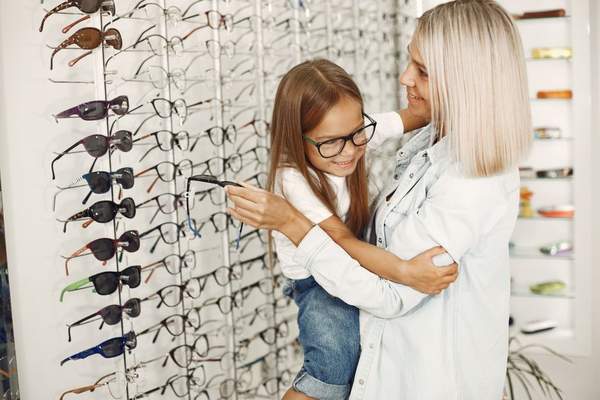
One parent needs new varifocals, another wears contact lenses, and a child has outgrown their glasses. Family eye care bills rarely arrive together. That is why optical insurance for families in the UK should be judged by who can use each benefit, what expenses qualify and when payments are available, not by the biggest advertised allowance.
Family optical cover often comes through a health cash plan. You pay a premium, buy eligible care and claim back costs up to a limit. The sensible starting point is to separate expenses already supported by the NHS from the bills your household will actually have to pay.
Check NHS entitlements first
Children under 16 generally qualify for NHS-funded sight tests and vouchers towards prescribed glasses. Young people aged 16, 17 or 18 in qualifying full-time education can also qualify. An optical voucher contributes towards glasses or contact lenses; it does not necessarily cover every frame choice or lens upgrade.
In England, some adults qualify for free eye tests or optical vouchers because of age, particular health conditions, qualifying benefits or low income. Scotland provides NHS-funded eye examinations more widely, while vouchers still depend on eligibility. Wales and Northern Ireland publish their own rules. Check guidance for the relevant UK nation before paying for overlapping benefits.
There may also be NHS help to repair or replace damaged or lost children’s glasses. For many households, the real question is whether private child eye care cover adds useful protection beyond the support already available.
Check whether allowances belong to each person
An advertised £150 optical benefit could mean £150 per adult, per insured person or for the whole family. The difference is substantial. Some policies include children automatically, some charge extra and others give dependants reduced or shared limits.
Read the benefits schedule for each family member. Confirm the maximum reimbursement, the percentage of each bill paid, any minimum claim, the qualifying age for children and whether an eligible partner must live at the same address. If a teenager turns 19 during the year, ask when their dependant cover ends.
Also find out when the allowance resets. A calendar-year benefit, policy-year limit and rolling 12-month allowance operate differently. If a plan has a waiting period, you may not be able to claim immediately after joining.
Understand exactly what eye test cover includes
Routine sight tests, retinal imaging, contact lens appointments and specialist assessments are not interchangeable in insurance wording. Eye test cover may reimburse a private examination but exclude additional scans or fitting fees. If the NHS paid for a test, you cannot claim reimbursement for an expense you did not incur.
Ask whether glasses and sight tests share one optical pot. A family expecting several appointments may find a separate sight-test allowance more useful than a larger combined cap that disappears after one adult buys expensive lenses.
Compare glasses benefits with your actual prescriptions
Prescription frames and lenses are often eligible, but lens thinning, coatings, varifocals, repairs and replacement pairs may be treated differently. Non-prescription sunglasses are commonly outside optical cover. Contact lenses may use the same allowance as glasses, while solutions and accessories may not qualify.
Check whether purchases require a current prescription or an itemised receipt from an acceptable optician. Spending £250 on spectacles does not mean receiving £250 back if the relevant allowance is £100.
Children’s needs deserve separate attention. Frequent changes in frame size or prescription do not automatically override a policy’s annual limit. Ask whether private benefits can reimburse eligible amounts remaining after an NHS optical voucher, and whether a child has their own limit rather than sharing a parent’s.
Know how claims and exclusions work
Many cash plans operate by reimbursement: pay the optician first, then upload a receipt or complete a claim form. Keep the itemised invoice, date, name of the patient and prescription details if required. Check claim deadlines and whether the provider must meet particular registration requirements.
Find out how refunds, NHS vouchers, shop discounts and benefits from another policy affect the payment. Do not claim the same expense twice or seek reimbursement beyond what you personally paid. Exclusions may cover non-prescription eyewear, purchases before cover started or services lacking satisfactory documents.
Before choosing, it is worth reading about NHS optical vouchers, comparing health cash plans for families and understanding optical insurance exclusions. These topics help explain why an attractive headline limit might not become a useful payment.
A realistic family cost comparison
Imagine two parents and two school-age children in England. Both children qualify for NHS sight tests and optical vouchers. One parent expects to spend £220 on prescription glasses; the other expects to spend £80 on eligible contact lenses.
Suppose a family cash plan costs £18 monthly and each covered adult can reclaim up to £120 annually for qualifying optical purchases. The annual premium is £216. The parents could receive £120 plus £80, totalling £200, assuming both claims meet the policy rules. On optical claims alone, they would pay £16 more than they recover.
The outcome could improve if they actually use other included benefits, such as dental allowances. But don’t count every maximum benefit as guaranteed savings. A cheaper plan with one £180 shared optical allowance could offer less reimbursement, while a household with minimal optical spending might do better saving the premiums.
This is an illustrative calculation, not a provider quotation. Build your own comparison using likely claims for each family member, the actual policy limit and the annual cost, rather than assuming everyone will use the full allowance.
Questions to ask before signing up
Request the current policy wording and ask the insurer how it would handle your expected expenses. Check dependant eligibility, benefit resets, waiting periods, exclusions, claim evidence and treatment of NHS vouchers. An existing workplace health cash plan or employer-funded eye care benefit could make additional cover unnecessary.
Frequently asked questions
Does family optical insurance cover children’s glasses?
It sometimes does, but eligibility and limits vary. Check the dependant rules and whether the plan reimburses eligible out-of-pocket costs after NHS support.
Are children’s eye tests free in the UK?
Children under 16 and qualifying full-time students under 19 generally qualify for publicly funded sight tests. Local rules and additional entitlements vary across UK nations.
Can family cover pay for contact lenses?
Many cash plans include prescription contact lenses, subject to limits. Confirm whether lenses share the glasses allowance and whether fittings or solutions are excluded.
Is optical insurance worth it for every family?
No. Compare likely eligible reimbursements with annual premiums and NHS assistance. A plan only offers financial value when its usable benefits justify its cost.
Choose cover around the household, not the headline
Useful family optical cover reflects different adult and child needs, not simply the largest advertised amount. Start with NHS entitlements, compare limits person by person, and check claim rules before buying. That gives families a clearer way to budget for eye care without paying twice for benefits they may never need.