
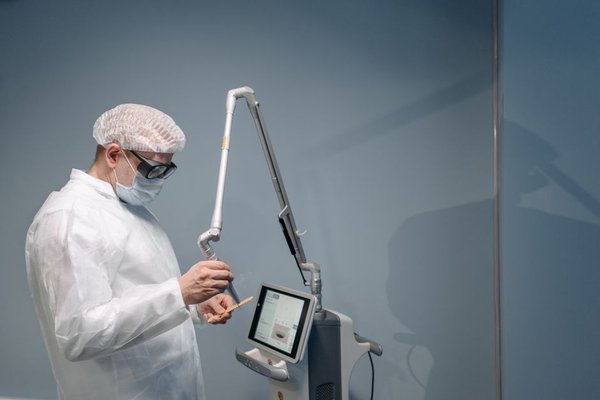
Laser eye surgery can reduce dependence on glasses or contact lenses, but the price can make insurance look like an obvious solution. Unfortunately, most standard UK health insurance policies do not pay for LASIK or similar procedures when the aim is simply to correct short-sightedness, long-sightedness or astigmatism. Exceptions depend on the treatment, why it is needed and the wording of your cover.
The key distinction is elective vision correction versus treatment for an eye disease or injury. A policy covering an ophthalmologist’s appointment does not automatically cover surgery to improve your prescription. Before booking, check what the insurer actually promises to pay rather than relying on “optical” in a benefits summary.
Does UK health insurance cover laser eye surgery?
For routine refractive surgery, the usual answer is no. LASIK, LASEK and similar procedures reshape the cornea to correct how light focuses. Insurers commonly treat this as elective eye treatment because glasses or contact lenses can ordinarily correct the same prescription.
Bupa’s UK health insurance exclusions guidance, for example, lists treatment to correct eyesight among commonly excluded services. Yet specialist or premium policies may explicitly include refractive surgery. Individual policy wording always takes priority over general guidance.
Anyone looking into LASIK insurance UK options should start by finding an explicit benefit for refractive or laser vision correction, not assume comprehensive private medical insurance includes it.
Why the definition of treatment matters
“Laser eye surgery” describes different procedures. LASIK for myopia is not the same as laser therapy for an eye condition threatening sight. Insurers may distinguish them even if both take place in a private clinic.
Elective correction versus medical necessity
If a specialist recommends treatment for a diagnosed disease or injury, an eligible private medical policy might cover it, subject to exclusions, referral requirements and pre-authorisation. A recommendation alone, however, does not turn an excluded refractive operation into an insured benefit.
The NHS says laser or lens surgery for ordinary prescription problems is not usually available on the NHS. Laser treatment may be available for certain serious eye conditions, or where sight cannot be corrected with glasses or contact lenses. NHS clinical eligibility and private insurance eligibility are separate decisions.
Which insurance products are worth checking?
Standard private medical insurance
These policies generally focus on eligible illnesses and injuries, with restrictions on pre-existing conditions and particular treatments. An ophthalmology consultation might qualify while the resulting refractive operation remains excluded. Ask about consultation costs separately from surgery.
Optical cash plans
A health cash plan may reimburse sight tests, prescription glasses or contact lenses up to an annual allowance. That is not automatically laser eye surgery cover. Read the optical policy exclusions to check whether refractive surgery is eligible; never assume the optical allowance can be used for LASIK.
Employer benefits and specialist plans
Workplace schemes sometimes offer discounted clinic rates, flexible benefits or a contribution towards treatment. Discounts are not insurance claims. Some high-end international policies also advertise refractive surgery benefits, but residency requirements, geographic scope and restrictions must be checked.
For background, our guide to private medical insurance versus health cash plans explains why these benefits work differently.
Check exclusions before benefit caps
An advertised £500 optical allowance means nothing for LASIK if surgery is excluded. Start with the exclusions section, then establish whether a relevant benefit exists and how claims are assessed.
Look for “refractive surgery”, “laser vision correction”, “eyesight correction”, “elective treatment” and “optical appliances”. Check waiting periods, underwriting, pre-existing conditions, recognised clinics, policy excesses and any requirement for written approval before treatment.
Ask whether a benefit applies per eye, per operation or per policy year. Establish whether assessments, medication, aftercare and possible enhancement procedures share the same limit. A benefit cap is a maximum possible contribution, not a promise to reimburse an excluded operation.
Example: an optical benefit that pays nothing
Imagine someone receives a £3,600 quotation for LASIK on both eyes and has an employer cash plan advertising £300 of annual optical benefits. The plan reimburses glasses, contact lenses and eye examinations but specifically excludes surgical correction. The reimbursement for LASIK is £0, despite the unused allowance.
A different policy explicitly including refractive surgery with a £1,000 maximum could potentially contribute, provided every eligibility condition is met. These figures are illustrations, not claims about a particular insurer.
Before paying a deposit, send the insurer the procedure name, clinic, surgeon, medical reason and itemised quotation. Ask for written confirmation of eligibility, the maximum payable and any remaining costs. Keep the response with your policy documents.
What if insurance will not pay?
Unless cover is confirmed, plan to self-fund elective LASIK. Compare itemised quotes covering the assessment, surgery for both eyes, drops, follow-up appointments and the conditions for further treatment.
Clinic finance can spread the expense, but check interest, fees and total repayment. Employer discounts may help even without reimbursement. Glasses and contact lenses remain alternatives while you decide whether surgery is appropriate.
The Royal College of Ophthalmologists advises patients to discuss risks, alternatives, costs and aftercare with their surgeon. Laser surgery can cause side effects and complications, so a low price should not override clinical judgement. Our guide to choosing vision insurance may help with ongoing optical expenses instead.
Frequently asked questions
Does the NHS pay for LASIK?
The NHS does not usually provide LASIK to correct an ordinary glasses prescription. NHS eye procedures may be available for conditions threatening sight or problems that cannot be corrected with glasses or contact lenses, following clinical assessment.
Can I buy insurance now and claim for surgery later?
Ordinary private medical insurance will not pay if elective refractive surgery is excluded. Even specialist policies that expressly offer cover may impose waiting periods, underwriting and other conditions. Check these before buying.
Does optical insurance cover laser treatment?
Not automatically. Optical benefits often cover sight tests and corrective lenses. Whether surgery qualifies depends on the exact policy wording, not the benefit’s name.
What if my insurer refuses a claim I believe is covered?
Request a written decision citing the relevant clause and use the insurer’s complaints process. If the final response is unsatisfactory, or there is no final response within eight weeks, you may be able to refer an eligible complaint to the Financial Ombudsman Service.
The bottom line
Laser eye surgery insurance in the UK comes down to definitions, exclusions and benefit limits. Routine LASIK is usually self-funded, while treatment for eye disease or injury may be assessed differently. Confirm the precise procedure and payable amount in writing before committing to surgery.